Overview & Therapeutic Action
Diazepam belongs to the benzodiazepine class of centrally acting agents. It acts as a positive allosteric modulator at the $\text{GABA}_\text{A}$ receptor complex. By binding to specific benzodiazepine binding sites, it facilitates the inhibitory actions of gamma-aminobutyric acid ($\text{GABA}$), resulting in hyperpolarization of neuronal membranes. This action calms hyperexcitable neural pathways, producing rapid anxiolytic, sedative, anticonvulsant, and muscle-relaxant effects.
Primary Clinical Indications
-
Anxiety Disorders: Short-term relief (typically 2–4 weeks) of acute anxiety, panic attacks, or associated agitation.
-
Skeletal Muscle Spasms: Treatment of muscle contractures secondary to trauma, spasticity from upper motor neuron disorders (e.g., cerebral palsy, paraplegia), and reflex spasms.
-
Acute Alcohol Withdrawal Syndrome: Mitigation of acute agitation, tremors, impending delirium tremens, and associated autonomic instability.
-
Convulsive Conditions: Adjunctive maintenance therapy in select seizure disorders.
Product Specifications
-
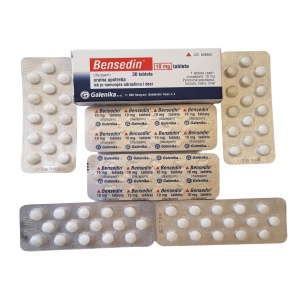
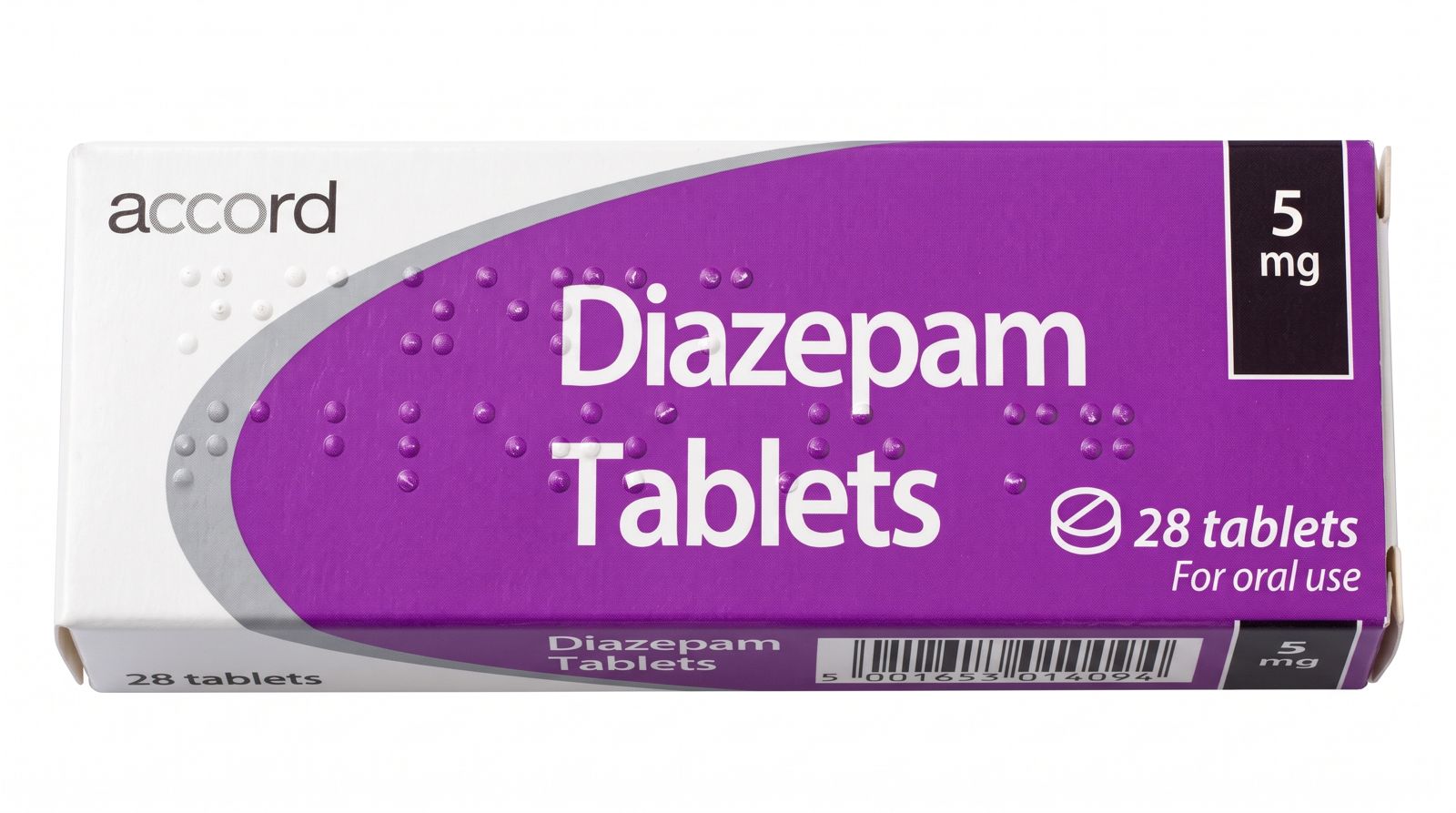
Active Pharmaceutical Ingredient (API): Diazepam 5mg
-
Dosage Form: Oral solid tablet (typically scored for dose titration)
-
Pharmacological Category: Central Nervous System Depressant / Benzodiazepine
-
Regulatory Status: Prescription-Only Medicine (POM); Schedule IV Controlled Substance (subject to local jurisdictional handling requirements)
-
Bioavailability & Half-Life: Rapidly absorbed orally (peak plasma concentrations within 30–90 minutes); long elimination half-life (20–50 hours, with active metabolite desmethyldiazepam up to 100 hours)
-
Storage Conditions: Store below 25°C away from excessive moisture, heat, and direct sunlight. Keep out of reach of unauthorized individuals.
Clinical Cautions & Contraindications
-
Dependence & Withdrawal: Prolonged continuous therapy carries substantial risk of physiological and psychological dependence. Cessation must be accomplished through a structured gradual taper to avoid severe rebound withdrawal symptoms (e.g., tremors, acute psychosis, seizures).
-
Respiratory Depression & Sedation: Concomitant use with central nervous system depressants, especially opioids and alcohol, significantly heightens the hazard of severe respiratory arrest, coma, and mortality.
-
Contraindications: Severe respiratory insufficiency, sleep apnoea syndrome, severe hepatic impairment, myasthenia gravis, and known hypersensitivity to benzodiazepines.
-
Patient Precautions: Causes psychomotor slowing and impaired coordination; driving or heavy equipment operation is contraindicated while actively under its influence.