
Description
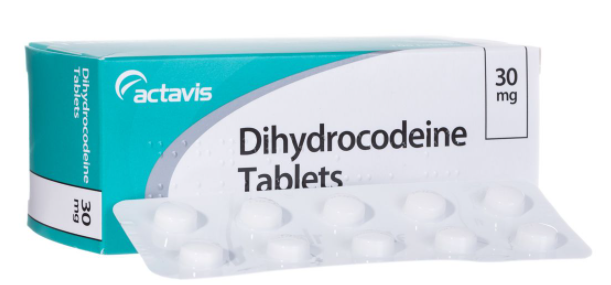
Dihydrocodeine 30mg Pills — Uses, Dosage, Side Effects, and Safety
What is dihydrocodeine?
Dihydrocodeine is a semi-synthetic opioid derived from codeine. Like other opioids, it works by binding to mu-opioid receptors in the central nervous system to reduce the perception of pain and can also depress coughing reflexes. Dihydrocodeine is available in several strengths and tablet forms; 30mg is a commonly used single-dose strength for adults.
Indications and uses
Dihydrocodeine 30mg pills are prescribed for:
- Management of moderate to severe acute pain (postoperative pain, injury-related pain).
- Chronic pain where non-opioid treatments are inadequate and after assessment of risks and benefits.
- In some countries and formulations, short-term relief of severe cough unresponsive to other treatments.
Typical dosing information
Dosage should always follow a clinician’s prescription. Typical adult dosing guidance for immediate-release dihydrocodeine:
- Common single dose: 30mg every 4–6 hours as needed for pain.
- Maximum: Do not exceed the total daily dose recommended by a prescriber; many guidelines limit daily doses (for example, commonly less than 240mg/day, but specific limits vary by country and formulation).
- Use the lowest effective dose for the shortest possible duration to reduce risks of adverse effects and dependence.
Special populations:
- Elderly patients or those with respiratory, hepatic, or renal impairment often require lower doses and careful monitoring.
- Not recommended for children unless prescribed and dosed specifically by a pediatrician.
Always consult a healthcare professional before starting, stopping, or changing the dose.
How dihydrocodeine works
Dihydrocodeine binds to opioid receptors, particularly mu-receptors, in the brain and spinal cord, inhibiting pain signal transmission and altering pain perception. It also suppresses the medullary cough centre to reduce coughing. The drug is metabolised in the liver and excreted in urine.
Common side effects
As with other opioids, dihydrocodeine 30mg pills can cause side effects. Common adverse effects include:
- Constipation
- Nausea and vomiting
- Drowsiness or sedation
- Dizziness
- Lightheadedness
- Dry mouth
Less common but potentially serious side effects:
- Respiratory depression (slow or shallow breathing)
- Severe allergic reactions (rash, swelling, difficulty breathing)
- Low blood pressure
- Confusion or severe drowsiness
Precautions and contraindications
Before taking dihydrocodeine 30mg pills, inform your prescriber about:
- History of respiratory problems (e.g., COPD, asthma)
- History of head injury, increased intracranial pressure, or seizure disorder
- Liver or kidney disease
- History of substance use disorder or alcohol misuse
- Pregnancy or breastfeeding — opioid use during pregnancy can cause neonatal opioid withdrawal syndrome and may be harmful; breastfeeding while taking opioids can also affect the infant.
- Concurrent benzodiazepines, sedatives, or alcohol use — combined use increases the risk of severe sedation, respiratory depression, coma, and death.
Contraindications typically include known hypersensitivity to dihydrocodeine or other opioids, and in some cases, acute asthma or severe respiratory depression.
Drug interactions
Dihydrocodeine can interact with many medications. Notable interactions include:
- Central nervous system depressants (benzodiazepines, barbiturates, sedative-hypnotics, antihistamines, alcohol): additive sedation and respiratory depression risk.
- Monoamine oxidase inhibitors (MAOIs): potential for severe, unpredictable reactions.
- CYP450 enzyme modifiers: drugs that inhibit or induce liver enzymes can affect dihydrocodeine metabolism and levels, altering effectiveness and toxicity.
- Other opioids or mixed agonist/antagonist agents: can precipitate withdrawal or increase adverse effects.
Always provide a complete medication list to your prescriber or pharmacist to check for interactions.
Dependence, tolerance, and addiction risk
Like other opioids, dihydrocodeine carries risks of tolerance (requiring higher doses for the same effect), physical dependence, and addiction. Risk factors include a personal or family history of substance use disorder, mental health conditions, and prolonged or high-dose use. To minimise risk:
- Use the medication as prescribed, at the lowest effective dose for the shortest necessary duration.
- Regularly review pain control and function with your prescriber.
- Avoid combining with alcohol or other sedatives unless advised by a clinician.
Signs of overdose and emergency actions
Overdose on dihydrocodeine can be life-threatening. Signs include extreme drowsiness, pinpoint pupils, slow or absent breathing, slow heartbeat, cold or clammy skin, and loss of consciousness. If overdose is suspected:
- Call emergency services immediately.
- If trained and available, administer naloxone (an opioid antagonist) per local guidance; multiple doses may be required for long-acting opioids.
- Support breathing and monitor vital signs until help arrives.
Storage and disposal
Store dihydrocodeine 30mg pills in their original container at room temperature, away from heat, moisture, children, and pets. Because of the risk of diversion and misuse, keep medicines secure. Dispose of unused or expired medication safely — follow local drug take-back programs or pharmacy disposal instructions; do not flush medications down the toilet unless the label or local guidance instructs to do so.
Legal and prescribing considerations
Dihydrocodeine is a controlled substance in many countries and requires a prescription. Regulations vary by jurisdiction regarding prescribing limits, refill rules, and monitoring. Healthcare providers typically assess pain severity, medical history, and risk factors before initiating therapy and may use treatment agreements, urine drug screens, or prescription monitoring programs.
Alternatives to dihydrocodeine
Treatment of pain can involve non-opioid and non-pharmacological options. Alternatives include:
- Non-opioid analgesics: acetaminophen, nonsteroidal anti-inflammatory drugs (NSAIDs)
- Adjuvant medications: certain antidepressants or anticonvulsants for neuropathic pain
- Topical analgesics
- Physical therapy, exercise, cognitive behavioural therapy, and interventional procedures where appropriate
Discuss alternatives and a multimodal pain plan with your healthcare provider.
Frequently asked questions
Can I drive while taking dihydrocodeine 30mg?
Opioids can impair alertness, judgement, and motor skills. Avoid driving or operating heavy machinery until you know how the medication affects you.
Is dihydrocodeine the same as codeine?
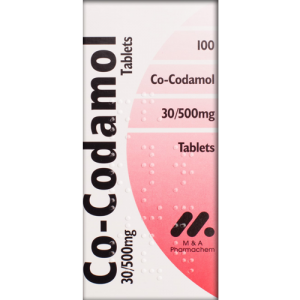
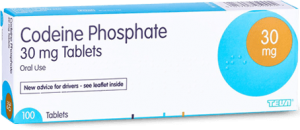
Dihydrocodeine is chemically related to codeine but is a separate semi-synthetic opioid with different potency and pharmacokinetics.
What if I miss a dose?
If you miss a dose of regularly scheduled dihydrocodeine, take it as soon as you remember unless it is almost time for the next dose. Do not double up doses. Follow your prescriber’s instructions.
When to contact a healthcare professional
Seek prompt medical advice if you experience difficulty breathing, severe drowsiness, fainting, allergic reactions, persistent vomiting, inability to keep fluids down, signs of opioid overuse, or any concerning new symptoms. Also contact your prescriber if pain control is inadequate or side effects are intolerable.

Reviews
There are no reviews yet.